
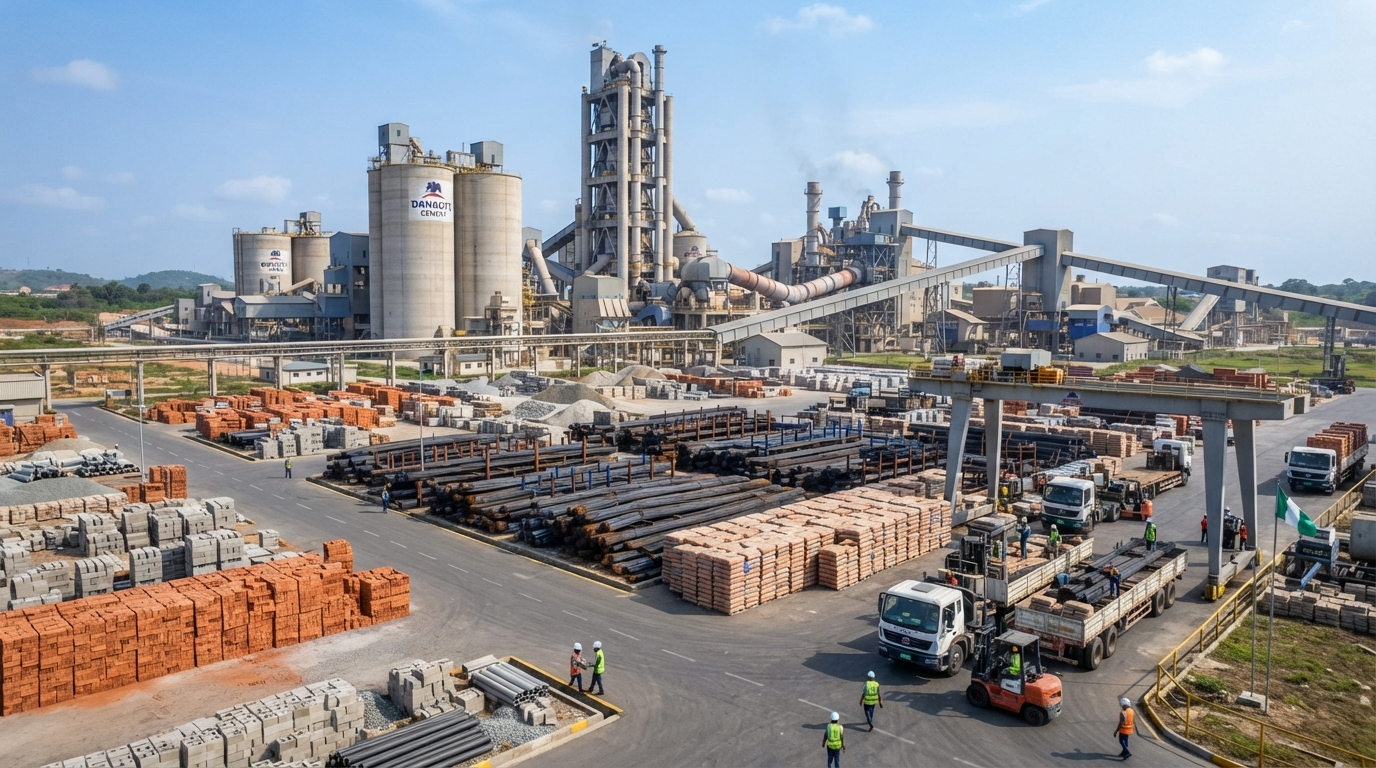
Building Nigeria from Within: Why Stronger Local Building-Material Manufacturing Matters
Africa Industrialization Day (November 20): Exploring the Role of Local Production in Nigeria\'s Construction Industry
Nigeria\'s construction industry plays a significant role in the country\'s economic development. From residential buildings and commercial developments to roads, bridges and large-scale infrastructure projects, the demand for building materials continues to shape the construction landscape.
However, behind every construction project is a supply chain that determines how easily materials can be sourced, how much they cost, and how reliably they can be delivered.
This is where local manufacturing becomes particularly important.
As we reflect on Africa Industrialization Day, it is worth considering what stronger local building-material manufacturing could mean for Nigeria, not just for manufacturers but also for contractors, developers, quantity surveyors, suppliers and individuals planning to build.
The conversation goes beyond producing materials locally. It is about building a more dependable construction supply chain and creating an industry that can meet more of its own needs.
Why Local Building-Material Manufacturing Matters
Nigeria has a growing demand for construction materials, including cement, steel reinforcement, roofing sheets, tiles, electrical fittings, plumbing materials, paints and finishing products.
While some of these products are manufactured locally, the industry still depends on imported raw materials, machinery, components and finished products in several areas.
Strengthening local manufacturing capacity could create several opportunities.
1. Reduced Dependence on Imports
Greater domestic production capacity can reduce the need to rely heavily on imported finished building materials.
This could help limit exposure to international supply disruptions, foreign exchange fluctuations, shipping costs and other external factors that affect material prices and availability.
It would also give local manufacturers more opportunities to serve the domestic construction market.
2. Better Material Availability
One of the challenges in construction procurement is the availability of materials when they are needed.
A project may have its drawings, workforce and funding ready, but delays in sourcing essential materials can affect its programme.
A stronger local manufacturing sector could improve the availability of commonly used materials, shorten some supply routes and make it easier for construction professionals to plan procurement around project schedules.
3. Job Creation and Industrial Development
Local manufacturing creates opportunities beyond the factory floor.
It supports employment across transportation, warehousing, distribution, equipment maintenance, quality control, sales and other related services.
It also creates opportunities for small and medium-sized businesses to participate in the construction value chain.
When more materials are produced locally, more economic activities can take place within the country.
The Connection Between Manufacturing and Construction Costs
Material costs are a major consideration in construction budgeting and project delivery.
The final price of a building material is influenced by several factors, including raw material costs, energy, labour, transportation, production capacity, exchange rates, distribution margins and market demand.
Local manufacturing alone does not automatically guarantee cheaper materials. Production efficiency, access to affordable energy, competition, quality standards and reliable logistics all matter.
However, stronger domestic production can create more opportunities to manage costs and reduce exposure to certain international supply-chain pressures.
For contractors and developers, this could mean improved pricing stability and more predictable procurement decisions over time.
For quantity surveyors, it could also improve the availability of market information needed for accurate cost planning, estimating and budget control.
Building a Stronger Construction Supply Chain
Industrialisation is not just about manufacturing more products. It is also about ensuring that those products can move efficiently from manufacturers to the people who need them.
A functional construction supply chain requires coordination between:
Manufacturers: Producing materials that meet required specifications and quality standards.
Distributors and suppliers: Ensuring materials reach different markets and construction locations.
Logistics providers: Supporting efficient transportation and timely delivery.
Contractors and developers: Communicating material requirements and planning procurement ahead of construction activities.
Technology platforms: Improving access to supplier information, market prices and available materials.
When these parts work together, the industry becomes better positioned to respond to demand and reduce avoidable procurement challenges.
The Challenges Nigeria Must Address
Despite the opportunities, strengthening local building-material manufacturing requires addressing some fundamental challenges.
Energy and Production Costs: Manufacturing is energy-intensive. Unreliable electricity and high operating costs can affect production capacity and the final prices of locally manufactured products.
Access to Finance: Manufacturers need capital to acquire equipment, expand facilities, improve technology and increase production capacity.
Quality Assurance: Locally manufactured materials must consistently meet recognised quality and safety standards. Increased production should go hand in hand with proper testing, certification and quality control.
Infrastructure and Logistics: Poor road networks, transportation costs and inefficient distribution systems can make it difficult to move materials from production centres to construction sites.
Access to Raw Materials: A sustainable manufacturing industry also requires dependable access to locally available raw materials and the capacity to process them efficiently.
Addressing these challenges requires collaboration between government, private investors, manufacturers, industry associations and construction professionals.
How Technology Can Support Local Manufacturing and Material Distribution
While manufacturing determines how materials are produced, technology can improve how they are discovered, compared, sourced and delivered.
Digital procurement platforms can help bridge the gap between manufacturers, suppliers and construction professionals by providing better access to market information.
For example, contractors and developers can use digital platforms to compare supplier prices, identify available materials and make more informed purchasing decisions.
Manufacturers and suppliers can also benefit from wider market visibility and access to customers beyond their immediate geographical locations.
This is an important part of building a more connected construction industry.
At WECONSTRUCTHUB, we believe that procurement should be easier, more transparent and more accessible. By connecting buyers with suppliers and providing access to material pricing information, we aim to contribute to a construction ecosystem where sourcing materials and making procurement decisions become more straightforward.
What Does the Future Hold for Nigeria?
A stronger local building-material manufacturing industry could contribute to a more resilient construction sector.
It could support domestic businesses, create employment, improve material availability, strengthen supply chains and reduce certain vulnerabilities associated with dependence on international markets.
However, achieving this requires more than establishing factories. It requires investment in infrastructure, technology, skills, quality assurance, financing and efficient distribution networks.
It also requires construction professionals and businesses to recognise the value of supporting reliable local manufacturers while maintaining the quality standards expected across the industry.
Conclusion: Building Nigeria Starts with Strengthening What We Produce
Africa Industrialization Day provides an opportunity to reflect on the relationship between industrial development and the future of construction in Nigeria.
Every building project depends on materials, and every material has a production and distribution story behind it.
Strengthening local manufacturing is therefore not just an industrial objective; it is also an opportunity to improve how Nigeria builds.
From manufacturers and suppliers to contractors, developers and procurement professionals, everyone has a role to play in creating a more efficient, dependable and competitive construction industry.
At WECONSTRUCTHUB, we believe that a stronger construction industry begins with better procurement, reliable suppliers and easier access to building materials.
As Nigeria continues to develop, the question is not just how much we can build, but also how much of what we build with we can produce, supply and distribute efficiently within our own economy.
WECONSTRUCTHUB – Procurement Made Easy.









Comments
No comments yet..!
Write a Comment