

5 Common Myths About Construction Materials That Could Cost You Millions
Construction is one of the largest investments most people will ever make. Whether you\\\'re building a family home, a commercial property, or carrying out renovations, every material you purchase directly affects the safety, durability, appearance, and overall cost of your project.
Unfortunately, the Nigerian construction industry is filled with advice that has been passed down for years without being questioned. From artisans to homeowners, many people make material decisions based on hearsay instead of engineering principles or verified market information.
The result? Buildings that develop cracks prematurely, projects that exceed budget, materials that fail before their expected lifespan, and thousands—or even millions—of naira wasted on avoidable mistakes.
At WeConstructHub, we interact with contractors, suppliers, quantity surveyors, architects, engineers, students, and homeowners every day. One thing we\\\'ve noticed is that misinformation about construction materials is surprisingly common.
In this article, we\\\'ll debunk five of the biggest myths surrounding construction materials and explain what you should know before making your next purchase.
Myth 1: Expensive Materials Are Always Better
One of the oldest misconceptions in construction is that the highest-priced material automatically guarantees the highest quality.
It\\\'s easy to understand why people believe this. If one brand of tile costs ₦18,000 per square metre while another costs ₦9,000, many assume the more expensive option must be twice as good.
However, construction materials don\\\'t work that way.
Price is influenced by numerous factors including:
Brand reputation
Import duties
Transportation costs
Exchange rates
Marketing expenses
Country of manufacture
Market demand
Availability
These factors may increase the selling price without necessarily improving performance.
For example, an imported ceramic tile may cost significantly more than a locally manufactured alternative, yet both may meet the required quality standards for residential flooring.
Similarly, premium paint brands may offer additional features such as stain resistance or longer warranties, but these benefits may not be necessary for every project.
What Actually Matters?
Instead of asking,
\\\"Which material is the most expensive?\\\"
Ask,
Does it meet Nigerian standards?
Is it suitable for my project?
Will it perform well in this environment?
Is it durable?
Does it provide value for money?
Professional quantity surveyors don\\\'t simply buy the most expensive products—they evaluate value over the entire life cycle of the building.
Lesson: Buy the material that fits your project\\\'s requirements, not the one with the biggest price tag.
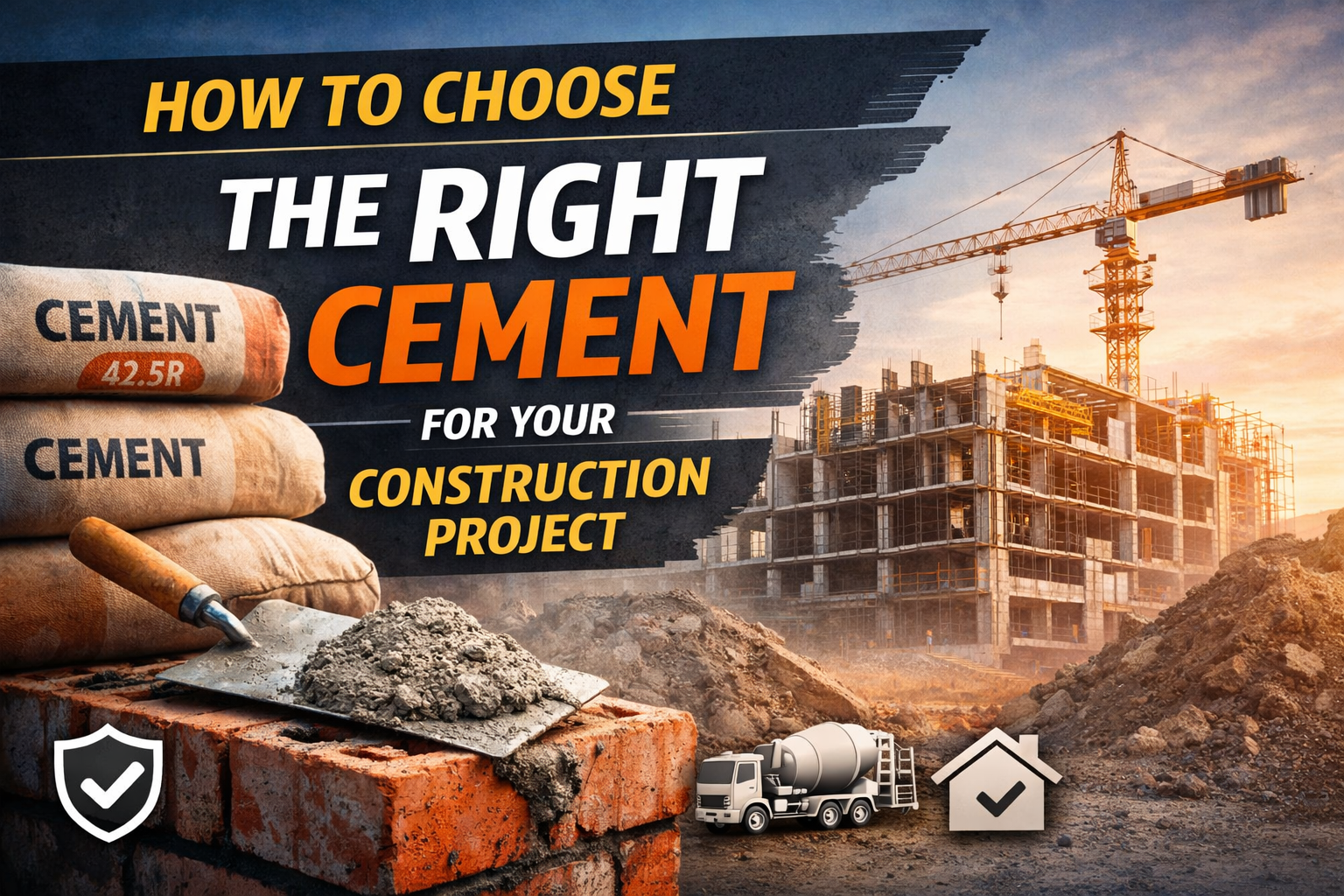
Myth 2: All Cement Brands Are Exactly the Same
Walk into any construction site and you\\\'ll hear people say,
\\\"Cement is cement.\\\"
While cement manufacturers must comply with quality regulations, different products are designed with different performance characteristics.
Some may develop early strength faster.
Others may provide better workability.
Some perform better for plastering while others excel in structural concrete.
Storage conditions also play a major role.
A high-quality cement bag stored in a damp warehouse may perform worse than another brand that has been properly stored.
Signs of Poor Cement
Before buying cement, check for:
Hardened lumps inside the bag
Torn packaging
Moisture damage
Manufacturing date
Expiry recommendations
Proper storage by the supplier
Fresh cement contributes significantly to concrete strength.
Old cement loses part of its binding properties over time.
Another common mistake is mixing cement with excessive water.
Many workers believe adding more water makes concrete stronger because it becomes easier to mix.
The opposite is true.
Too much water reduces strength and increases shrinkage cracks.
Lesson: Proper storage and correct mixing practices are often more important than simply changing brands.
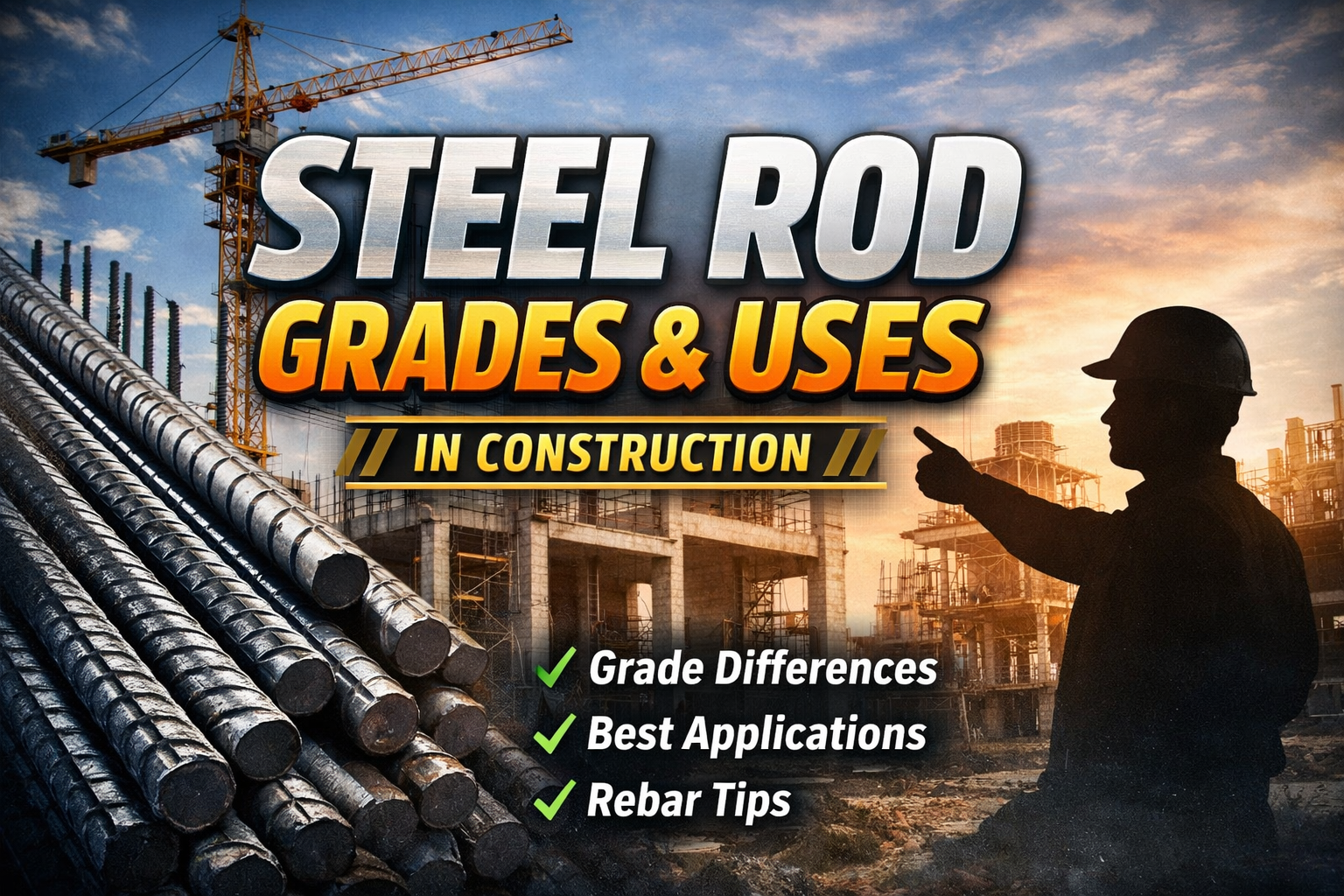
Myth 3: Bigger Reinforcement Bars Mean a Stronger Building
This myth has caused countless construction problems.
Some clients insist on upgrading every reinforcement bar to a larger diameter because they believe \\\"more steel equals more strength.\\\"
For example:
Instead of 12mm bars,
they request 16mm bars.
Instead of 16mm,
they want 20mm.
Without consulting the structural engineer.
Unfortunately, buildings don\\\'t become stronger simply by increasing reinforcement sizes.
Structural design considers:
Concrete strength
Load distribution
Beam dimensions
Slab thickness
Column sizes
Reinforcement spacing
Anchorage lengths
Cover requirements
Replacing specified reinforcement with larger bars may actually create reinforcement congestion.
When bars are packed too closely:
Concrete cannot flow properly.
Honeycombing increases.
Vibration becomes ineffective.
Structural performance reduces.
Ironically, using \\\"more steel\\\" incorrectly can produce weaker concrete.
Lesson: Always follow structural drawings prepared by qualified engineers.
Myth 4: Imported Materials Are Always Better Than Local Products
Many Nigerians automatically assume imported materials outperform locally manufactured alternatives.
This isn\\\'t always true.
Nigeria now produces many quality construction materials including:
Cement
Reinforcement bars
Roofing sheets
Paint
Blocks
Pipes
Doors
Electrical fittings
Tiles
Several locally manufactured products meet international quality standards.
In fact, local materials often provide advantages such as:
Easier Replacement
Finding matching materials years later becomes easier.
Better Availability
Imported products may become unavailable due to shipping delays or foreign exchange fluctuations.
Lower Transportation Costs
Buying locally reduces logistics expenses.
Faster Delivery
Projects experience fewer delays.
Rather than asking,
\\\"Is it imported?\\\"
Ask,
\\\"Does it meet the required specifications?\\\"
Quality should always be verified through standards—not country of origin.
Myth 5: Buying the Cheapest Material Saves Money
Perhaps the most dangerous myth of all.
Everyone wants to reduce construction costs.
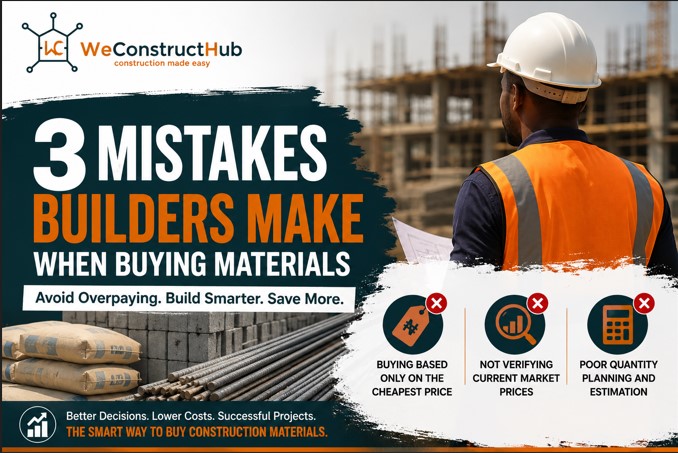
However, purchasing the cheapest available material can become the most expensive decision.
Imagine buying:
Low-quality reinforcement
Weak blocks
Substandard plumbing pipes
Fake electrical cables
Inferior waterproofing products
The initial savings may look attractive.
But months later you begin paying for:
Repairs
Water leakage
Structural cracks
Replacement materials
Labour
Delays
Safety risks
Construction experts often say:
\\\"Quality is remembered long after price is forgotten.\\\"
This doesn\\\'t mean buying the most expensive product.
It means buying from reliable suppliers who provide genuine materials at competitive prices.
Always compare:
Product specifications
Supplier credibility
Warranty
Customer reviews
Compliance with standards
After-sales support
The cheapest quotation isn\\\'t always the cheapest project.
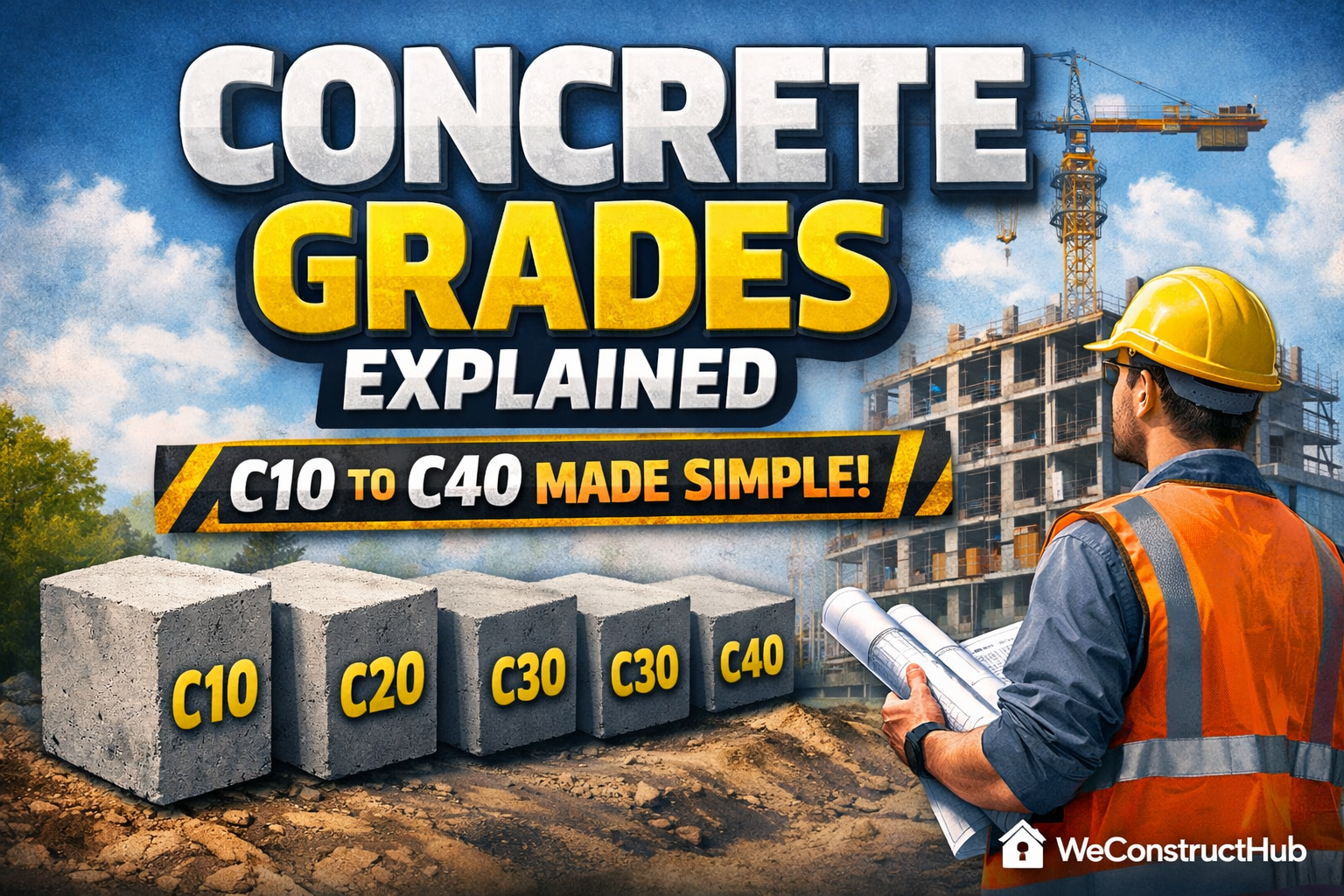
Bonus Myth: Stronger Concrete Simply Means Adding More Cement
Many people believe adding extra bags of cement automatically produces stronger concrete.
This is another costly misunderstanding.
Concrete strength depends on several factors working together, including:
Correct mix proportions
Quality aggregates
Water-cement ratio
Proper batching
Adequate compaction
Proper curing
Quality workmanship
Adding excessive cement can increase shrinkage, generate more heat during hydration, and even lead to cracking if not properly managed.
A well-designed concrete mix is far more effective than simply increasing cement content.
Lesson: Good concrete is the result of proper mix design and workmanship—not just more cement.
How to Avoid Falling for Construction Material Myths
Whether you\\\'re a homeowner, contractor, student, or developer, these simple practices can save you significant time and money:
Consult qualified professionals before making major material decisions.
Verify product specifications instead of relying on assumptions.
Buy from trusted and reputable suppliers.
Compare quality—not just prices.
Keep up with current market prices to avoid overpaying.
Ensure materials are properly stored before use.
Follow engineering drawings and manufacturer\\\'s recommendations.
Knowledge is one of the most valuable tools on any construction project.
How WeConstructHub Helps You Make Better Material Decisions
One of the biggest challenges in Nigeria\\\'s construction industry is access to reliable information. Prices vary from one market to another, counterfeit products exist, and many buyers struggle to identify trustworthy suppliers.
That\\\'s why WeConstructHub exists.
Our goal is to simplify procurement by helping construction professionals and property owners make informed decisions.
Through WeConstructHub, you can:
Access regularly updated building material price insights.
Compare prices before making purchases.
Learn through educational articles and construction tips.
Connect with verified suppliers.
Stay informed about market trends affecting construction costs.
Reduce procurement risks and avoid costly mistakes.
We believe that better information leads to better construction outcomes.
Conclusion
Construction myths often sound convincing because they\\\'ve been repeated for years, but repeating a myth doesn\\\'t make it true. The right material isn\\\'t always the most expensive, imported products aren\\\'t automatically superior, and adding more steel or cement doesn\\\'t necessarily create a stronger building.
Every successful project starts with informed decisions. By understanding the facts behind construction materials and relying on trusted information rather than assumptions, you can improve quality, reduce waste, and protect your investment.
At WeConstructHub, we\\\'re committed to helping you build smarter. Whether you\\\'re sourcing materials, comparing prices, or learning more about the industry, we\\\'re here to provide the reliable information you need to make confident construction decisions.
Have you encountered any construction myths on your projects? Share your experience in the comments, and let\\\'s separate fact from fiction together.



Comments
No comments yet..!
Write a Comment