
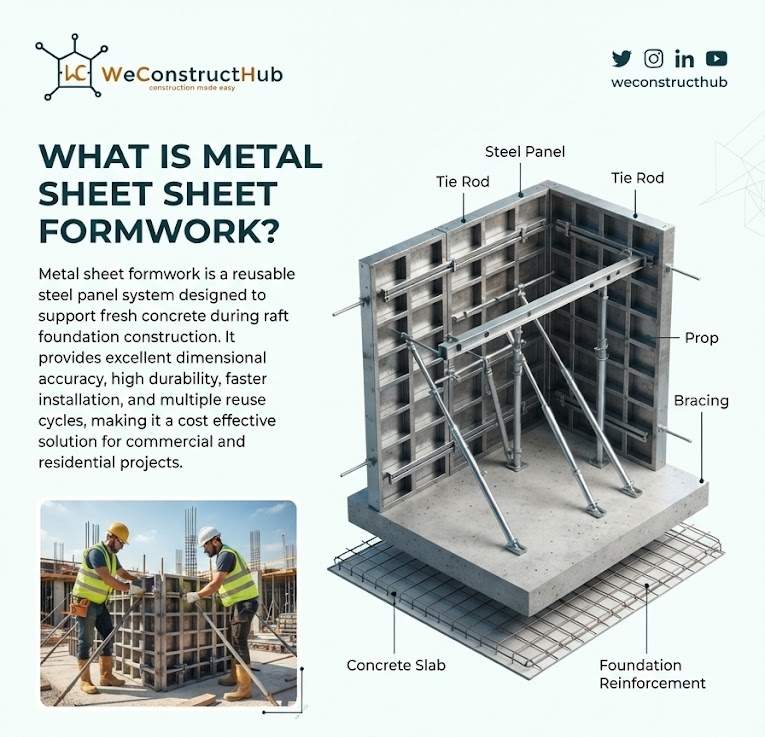
The Importance of Metal Formwork in Modern Concrete Construction
Concrete is one of the most widely used construction materials in the world, but achieving strong, durable, and aesthetically pleasing concrete structures depends on more than just the quality of the concrete mix. One of the most critical factors that determine the success of any concrete work is the formwork system used during construction.
As the construction industry continues to embrace faster project delivery, improved quality standards, and sustainable building practices, metal formwork has become the preferred choice for many contractors, developers, and construction professionals. Its strength, durability, and reusability make it a smart investment for projects of all sizes.
What is Metal Formwork?
Metal formwork is a reusable mould system, typically manufactured from steel or aluminium, that is used to shape and support freshly placed concrete until it gains sufficient strength. Unlike traditional timber formwork, metal formwork is engineered to withstand repeated use while maintaining its shape, strength, and dimensional accuracy.
Because of its reliability and efficiency, metal formwork is commonly used in residential developments, commercial buildings, high-rise structures, bridges, industrial facilities, and other large-scale infrastructure projects.
Why is Metal Formwork Important?
1. Superior Concrete Finish
One of the biggest advantages of metal formwork is the high-quality finish it produces. The smooth and rigid surface creates uniform concrete faces with minimal imperfections, reducing the need for extensive plastering or corrective work after casting.
This not only improves the appearance of the structure but also saves both time and finishing costs.
2. Faster Project Delivery
Time is money in construction. Metal formwork systems are designed for quick assembly, dismantling, and reuse, allowing contractors to complete casting cycles more efficiently.
With shorter construction cycles, developers can accelerate project completion and reduce labour costs.
3. Exceptional Durability
Unlike timber formwork, which can warp, absorb moisture, or deteriorate after a few uses, metal formwork is built to withstand repeated casting operations.
When properly maintained, metal formwork can be reused many times, making it an economical solution for contractors handling multiple projects.
4. Long-Term Cost Savings
Although the initial investment in metal formwork is higher than timber, the long-term financial benefits are significant.
Because it is reusable, contractors spend less on replacement materials, reduce construction waste, and achieve better productivity on site. Over multiple projects, these savings often outweigh the initial purchase cost.
5. Improved Accuracy and Precision
Metal formwork is manufactured to precise dimensions, ensuring consistency throughout the structure.
Its rigid construction minimizes movement during concrete placement, resulting in straighter walls, accurate beam dimensions, level slabs, and improved structural quality.
6. Enhanced Site Safety
A properly designed and installed metal formwork system provides greater strength and stability during concrete casting.
Its high load-bearing capacity reduces the likelihood of formwork failure, contributing to safer working conditions for construction personnel.
7. Environmentally Friendly
As sustainability becomes increasingly important in the construction industry, reusable metal formwork offers a more environmentally responsible alternative to timber.
By reducing the demand for timber and minimizing construction waste, contractors can contribute to more sustainable building practices while maintaining high construction standards.
Metal Formwork vs Timber Formwork
| Feature | Metal Formwork | Timber Formwork |
|---|---|---|
| Reusability | Excellent | Limited |
| Durability | High | Moderate to Low |
| Surface Finish | Smooth and Uniform | Depends on Timber Quality |
| Construction Speed | Fast | Slower |
| Dimensional Accuracy | Excellent | Moderate |
| Long-Term Cost | Lower | Higher |
| Waste Generation | Minimal | Higher |
Best Practices for Using Metal Formwork
To maximize the lifespan and performance of metal formwork:
Clean the panels immediately after each use.
Apply a suitable release agent before concrete placement.
Inspect all panels and accessories before installation.
Ensure proper alignment and adequate bracing.
Store the formwork in a clean and dry location when not in use.
Proper maintenance not only extends the service life of the formwork but also ensures consistent concrete quality on every project.
Conclusion
Metal formwork has transformed modern concrete construction by delivering superior finishes, improving construction speed, enhancing safety, and reducing long-term project costs. Whether you\'re constructing residential buildings, commercial developments, or large infrastructure projects, investing in quality metal formwork can significantly improve productivity and project outcomes.
At WeConstructHub, we make it easier for contractors, developers, and construction professionals to access reliable metal formwork solutions tailored to their project requirements.
Whether you need a complete formwork system, specific components, or a custom order, we\'ve got you covered.
Need Metal Formwork for Your Next Project?
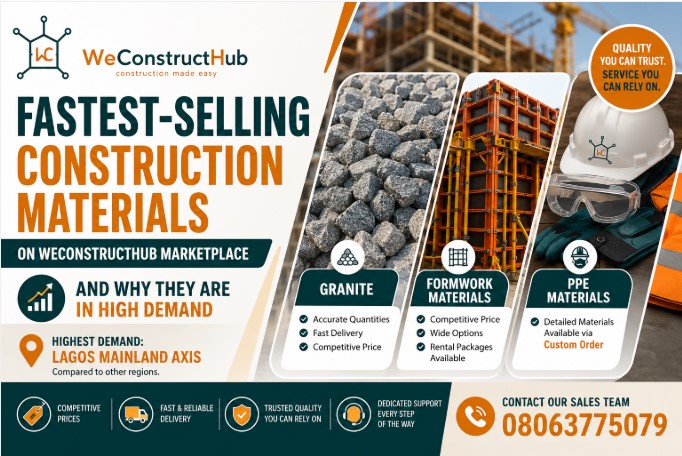
WeConstructHub offers quality metal formwork for sale and rent, with custom order options available to meet your project\'s specifications.
📌 Custom Orders: We can source and supply metal formwork based on your required sizes, quantities, and project needs.
📱 Have questions or need a quote?
Reach out to us directly on WhatsApp: 08063775079
You can also visit shop.weconstructhub.com to explore available construction materials and solutions for your next project.
Build smarter. Build faster. Build with WeConstructHub.






Comments
No comments yet..!
Write a Comment