

Construction Materials With Stable Prices in Nigeria Right Now (Last 3 Months)
Introduction
The Nigerian construction industry continues to experience fluctuating material prices driven by exchange rate volatility, fuel costs, import dependency, and supply chain challenges. However, despite these pressures, some construction materials have shown relative price stability over the past three months.
For contractors, quantity surveyors, developers, and homeowners, identifying these stable materials is crucial for better budgeting, reduced project risk, and improved procurement planning.
This article provides a structured breakdown of construction materials that have remained relatively stable in Nigeria within the last three months, along with insights into why their prices have not shifted significantly.
Overview of Market Stability (Last 3 Months)
Over the past quarter, the Nigerian construction material market has shown a mixed pattern:
- Highly volatile materials: cement (periodic changes), diesel-related logistics costs, imported finishing materials
- Moderately stable materials: reinforcement steel, timber (excluding transport), roofing sheets
- Stable support materials: scaffolding systems, safety equipment, and structural accessories
The stability observed in certain materials is largely due to:
- Bulk stock availability in the market
- Reduced import fluctuations for already-cleared stock
- Storage-friendly nature of steel-based products
- Reduced speculative price changes among distributors
Construction Materials With Relative Price Stability
1. Reinforcement Bars (Rebars)
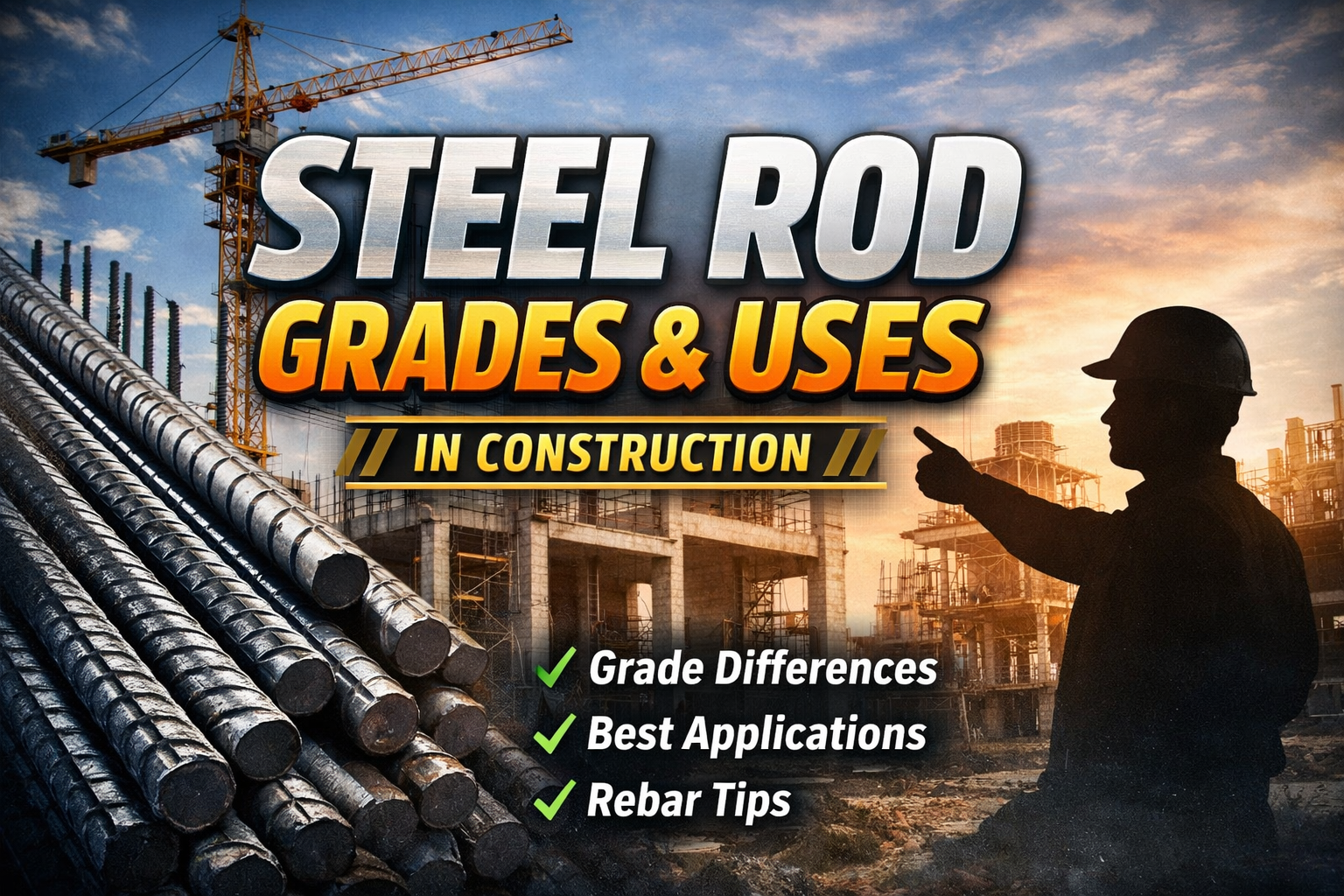
Reinforcement steel remains one of the most structurally important materials in building construction, and over the past three months, it has remained relatively stable in price.
Why prices are stable:
- Many suppliers already purchased stock at earlier rates
- Steel is highly storage-friendly, allowing bulk stocking
- Market competition among distributors has limited sharp price increases
- Demand has remained steady rather than spiking suddenly
Industry impact:
For ongoing and upcoming projects, this stability allows more accurate structural cost estimation, especially for:
- Residential buildings
- Commercial developments
- Infrastructure works
However, it is still important to note that steel remains sensitive to forex and global scrap metal pricing in the long term.
2. Safety Nets
Safety nets used in construction sites for fall protection and perimeter safety have maintained stable pricing across most Nigerian markets.
Reasons for stability:
- Bulk importation and standardized distribution channels
- Limited design variation across suppliers
- Steady demand from ongoing building projects
Practical implication:
Contractors handling multi-storey projects benefit from predictable safety compliance costs, making project planning easier and more consistent.
3. Timber (Wood)
Timber remains one of the most commonly used materials in formwork, roofing structures, and temporary works.
Price behavior:
- Base timber cost has remained fairly stable
- Only noticeable fluctuation has been in transportation and delivery charges
Key reason:
The cost of logistics—especially fuel and haulage—has been the main driver of variation rather than the material itself.
Industry implication:
- Contractors outside timber supply hubs may experience higher total costs
- Accurate project budgeting must separate material cost from logistics cost
- Formwork-heavy projects should consider supplier proximity more carefully
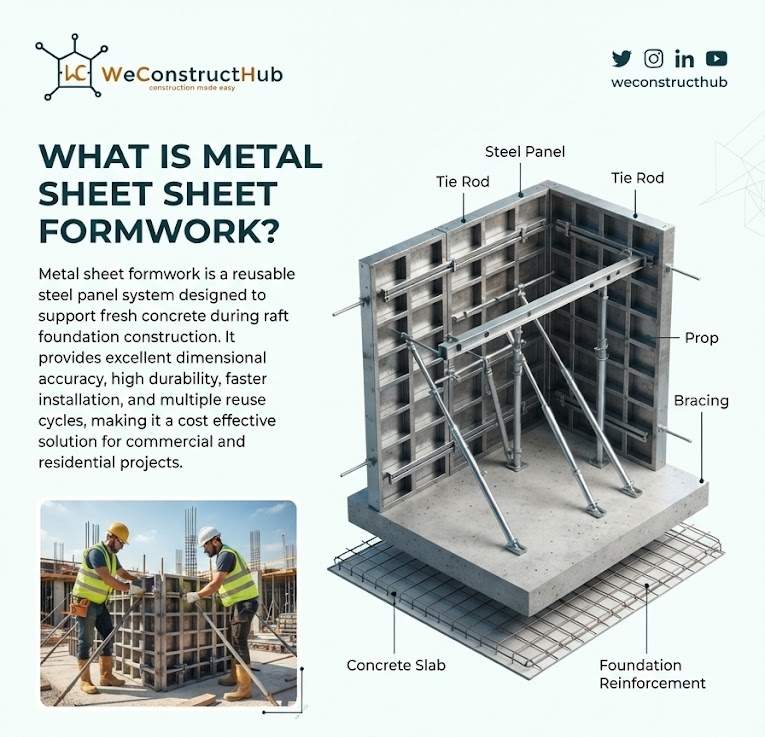
4. Acrow Props and Galvanized Pipes
Acrow props and galvanized pipes, commonly used for structural support and scaffolding systems, have remained relatively stable.
Reasons for stability:
- Most suppliers maintain consistent rental and sales pricing models
- Steady demand from active building sites
- Bulk availability in local markets reduces scarcity pressure
Importance in construction:
These materials are essential for:
- Slab support systems
- Temporary structural works
- Scaffolding and access frameworks
Their price stability has helped contractors maintain consistent structural support budgeting.
5. Roofing Sheets
Roofing sheets are a major cost component in building finishing, and over the past three months, they have experienced only one minor price adjustment.
Stability factors:
- Stable distribution chain for locally stocked materials
- Limited raw material fluctuation in the short term
- Competitive supplier pricing to retain market share
Construction impact:
This stability benefits:
- Residential developers planning housing estates
- Contractors handling roofing-intensive projects
- Quantity surveyors preparing BOQs for medium-term projects
However, roofing sheets remain sensitive to long-term steel market movements.
Key Factors Driving Stability in These Materials
The stability observed in these materials is not accidental. It is influenced by several structural market factors:
1. Stock Availability
Many suppliers currently hold inventory purchased at earlier price levels, reducing the need for immediate price increases.
2. Storage-Friendly Materials
Steel-based products like reinforcement bars and props are easier to store, allowing distributors to manage supply strategically.
3. Reduced Speculative Pricing
Unlike highly volatile materials, these products are less affected by short-term market speculation.
4. Competitive Supplier Market
High competition among distributors forces price stabilization to retain customers.
What This Means for Stakeholders
For Contractors:
- Better cost predictability
- Reduced risk of budget overruns
- Easier project scheduling
For Quantity Surveyors:
- More accurate BOQ preparation
- Improved cost forecasting reliability
- Better tender documentation
For Developers:
- More stable project investment planning
- Reduced financial uncertainty in mid-term projects
For Homeowners:
- Improved affordability planning for building projects
- Less pressure from sudden material price increases
Procurement Insight (Important)
Even with relative stability, procurement strategy remains critical:
- Always verify real-time prices before purchasing
- Compare multiple suppliers
- Consider logistics cost separately from material cost
- Avoid bulk purchasing without confirmed project timelines
Final Note
While some construction materials in Nigeria have remained relatively stable over the past three months, the market remains sensitive to macroeconomic factors such as exchange rates, fuel prices, and import conditions. Continuous monitoring is essential for accurate construction planning.
For real-time verified construction material prices and seamless procurement, visit:
👉 https://shop.weconstructhub.com
📞 Call/WhatsApp: 08063775079
WeConstructHub Marketplace makes buying construction materials easy, transparent, and trustworthy — while helping professionals get verified market prices they can rely on.
About WeConstructHub
WeConstructHub is a digital construction platform built to improve efficiency in the built environment by providing:
- Verified construction material price updates
- Industry news and insights
- Educational tutorials for professionals and students
- A growing marketplace for construction material supply
Our vision is to become the leading global hub for construction stakeholders by making reliable construction data and services easily accessible.







Comments
No comments yet..!
Write a Comment