
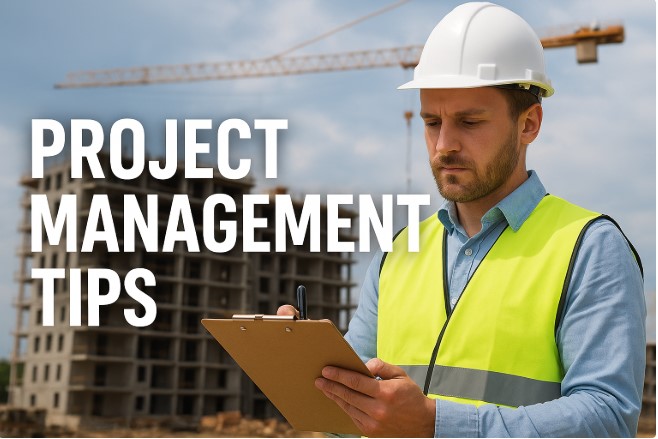
Mastering Construction Project Management: Essential Tips for Professionals
Managing a construction project is more than just coordinating workers and materials. It’s about precision, foresight, and smart decision-making. Whether you’re a seasoned contractor, an aspiring quantity surveyor, or a project manager looking to streamline your workflow, mastering project management is key to delivering projects on time, within budget, and with the highest quality.
In this guide, we’ll share actionable project management tips specifically tailored for the construction industry.
1. Plan Thoroughly Before You Begin
Planning is the foundation of any successful project. A comprehensive plan reduces the risk of delays, budget overruns, and miscommunication.
Key Steps:
Define the project scope: Clearly outline the objectives, deliverables, and limitations.
Set a realistic schedule: Break the project into phases and assign deadlines to each task.
Budget accurately: Factor in labor, materials, equipment, and contingency costs.
Risk assessment: Identify potential challenges such as weather disruptions, supply delays, or labor shortages.
Pro Tip: Use digital tools like Microsoft Project, Primavera P6, or even Excel for detailed planning. WeConstructHub provides resources to help you track material costs and labor schedules efficiently.
2. Leverage Technology to Your Advantage
Technology has revolutionized construction project management. From monitoring progress to tracking costs, digital tools can save time and reduce errors.
Recommended Tools:
Project management software: Tools like Procore, Buildertrend, or CoConstruct allow seamless collaboration between teams.
Construction estimating tools: PlanSwift and CostX help automate take-offs and cost estimation.
Communication platforms: Slack or Microsoft Teams improve real-time communication between stakeholders.
WeConstructHub resources: Access up-to-date material prices, tutorials, and estimating tools to make informed decisions.
3. Communicate Clearly and Often
A common reason projects fail is poor communication. Make it a priority to keep everyone in the loop:
Daily/weekly meetings: Update teams on progress and issues.
Written reports: Ensure documentation is available for accountability.
Transparent pricing and schedules: Share material costs and timelines with clients to avoid disputes.
Pro Tip: Encourage open feedback from site teams. Sometimes the workers on the ground spot issues before management does.
4. Manage Resources Efficiently
Resources—labor, materials, and equipment—must be managed carefully to avoid waste and delays.
Labor management: Allocate the right number of workers for each task. Avoid overstaffing or understaffing.
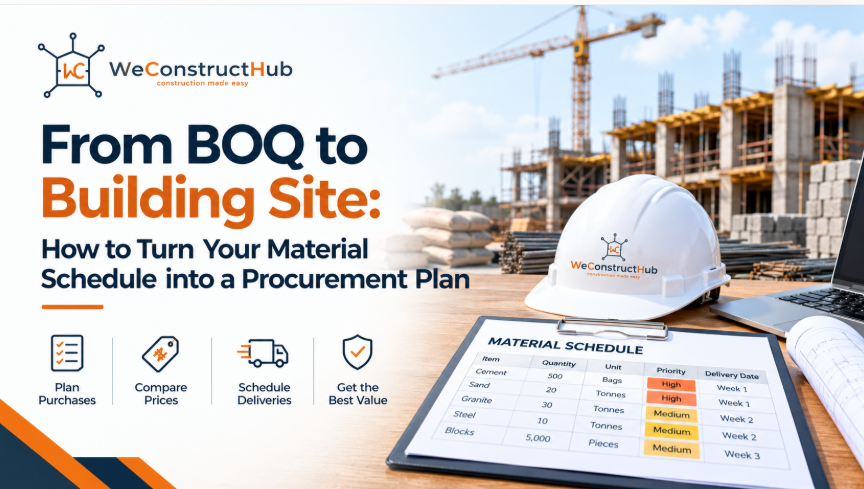
Material management: Track usage, schedule timely deliveries, and avoid over-purchasing.
Equipment management: Maintain machinery regularly to prevent downtime.
WeConstructHub provides a centralized platform to track material prices and availability, making procurement smoother and more predictable.
5. Monitor and Control Progress
Even the best plans need constant monitoring. Track your project using metrics and KPIs:
Schedule performance: Compare planned versus actual progress.
Cost performance: Monitor budget deviations in real-time.
Quality control: Conduct regular inspections to ensure standards are met.
Pro Tip: Use Gantt charts, dashboards, or even simple spreadsheets to track project performance. Early detection of issues saves significant time and money.
6. Risk Management is Non-Negotiable
Every construction project carries risks. Identifying and mitigating them early is essential:
Common risks: Weather delays, labor strikes, equipment failure, or price fluctuations.
Mitigation strategies: Maintain contingency funds, develop backup plans, and build flexible schedules.
WeConstructHub’s updates on material prices can help you anticipate cost risks and adjust your budget proactively.
7. Prioritize Safety and Compliance
Safety is a legal and moral responsibility. Projects that compromise safety risk accidents, legal issues, and reputational damage:
Conduct regular safety drills and training.
Ensure compliance with local construction regulations and standards.
Use PPE and enforce safety protocols on site.
Pro Tip: Regular audits and inspections reduce accidents and ensure regulatory compliance.
8. Continuous Learning and Improvement
The construction industry evolves constantly. Staying updated on best practices, new materials, and technology ensures your projects remain competitive:
Attend workshops and webinars.
Follow industry news on platforms like WeConstructHub.
Learn from past projects: Document lessons learned and apply them to future work.






Comments
No comments yet..!
Write a Comment